

- Home
- Our Story
- Programs
- Action Research
- SAMRIDDHI (ENRICH) PROJECT
- ADOLESCENTS’ CARE
- BD RURAL WASH
- CONSERVATION OF NATURAL BREEDING GROUND OF CARP FISHES AT HALDA RIVER
- DAIRY PRODUCTS & PROCESSING
- DECENT EMPLOYMENT, HEALTH & NUTRITION TO ALL
- DOMESTICATION OF GOYAL (BOS FRONTALIS)
- ELDERLY CARE (PROBIN)
- FRUITS & SPICES PROCESSING & MARKETING
- HEALTH, WATER, SANITATION & OTHER SERVICES FOR ROHINGYA REFUGEES
- LEADERSHIP TO ENSURE ADEQUATE NUTRITION (LEAN)
- PRESERVATION & EXPANSION OF RED CHITTAGONG CATTLE
- SEAWEED (SHAIBAL) CULTURE, PROCESSING & MARKETING
- REHABILITATION PROJECT FOR ETHNIC MINORITY
- CROP BASED FINANCE PROJECT
- E-COMMERCE PROJECT
- HIGH VALUE FRUITS-CROPS PROJECT
- SAFE FISH PROJECT
- WATER CREDIT PROJECT
- INCREASING LIVESTOCK PRODUCTION IN THE CHT’s
- INFORMAL SECTOR EMPLOYMENT PROJECT
- CLIMATE ADAPTATION THROUGH PCM-BASED HYBRID SOLAR COLD STORAGE FOR SUSTAINABLE POST-HARVEST MANAGEMENT OF FRUITS AND VEGETABLES.
- RESILIENT HOMESTEAD & LIVELIHOOD (RHL) SUPPORT TO THE VULNERABLE COASTAL PEOPLE OF BANGLADESH
- Publications
- Gallery
- Announcement
- SDGs
- Contact Us
- Home
- Our Story
- Programs
- Action Research
- SAMRIDDHI (ENRICH) PROJECT
- ADOLESCENTS’ CARE
- BD RURAL WASH
- CONSERVATION OF NATURAL BREEDING GROUND OF CARP FISHES AT HALDA RIVER
- DAIRY PRODUCTS & PROCESSING
- DECENT EMPLOYMENT, HEALTH & NUTRITION TO ALL
- DOMESTICATION OF GOYAL (BOS FRONTALIS)
- ELDERLY CARE (PROBIN)
- FRUITS & SPICES PROCESSING & MARKETING
- HEALTH, WATER, SANITATION & OTHER SERVICES FOR ROHINGYA REFUGEES
- LEADERSHIP TO ENSURE ADEQUATE NUTRITION (LEAN)
- PRESERVATION & EXPANSION OF RED CHITTAGONG CATTLE
- SEAWEED (SHAIBAL) CULTURE, PROCESSING & MARKETING
- REHABILITATION PROJECT FOR ETHNIC MINORITY
- CROP BASED FINANCE PROJECT
- E-COMMERCE PROJECT
- HIGH VALUE FRUITS-CROPS PROJECT
- SAFE FISH PROJECT
- WATER CREDIT PROJECT
- INCREASING LIVESTOCK PRODUCTION IN THE CHT’s
- INFORMAL SECTOR EMPLOYMENT PROJECT
- CLIMATE ADAPTATION THROUGH PCM-BASED HYBRID SOLAR COLD STORAGE FOR SUSTAINABLE POST-HARVEST MANAGEMENT OF FRUITS AND VEGETABLES.
- RESILIENT HOMESTEAD & LIVELIHOOD (RHL) SUPPORT TO THE VULNERABLE COASTAL PEOPLE OF BANGLADESH
- Publications
- Gallery
- Announcement
- SDGs
- Contact Us
Forest Carbon & Climate Finance Initiatives
Towards a Greener, Climate-Resilient Bangladesh
Bangladesh stands at the frontline of global climate change. Rising temperatures, sea-level rise, coastal erosion, increasing salinity, biodiversity loss, and degradation of forest ecosystems are posing unprecedented challenges to the country’s environment, economy, and livelihoods. At the same time, these challenges present an opportunity to harness international climate finance through high-integrity forest carbon initiatives that simultaneously protect nature, strengthen communities, and contribute to global climate mitigation.
Integrated Development Foundation (IDF) is committed to supporting the Government of Bangladesh in transforming these opportunities into practical, sustainable, and internationally recognized climate actions through nature-based solutions and carbon finance.
Three Decades of Commitment to Forests, Communities and Climate
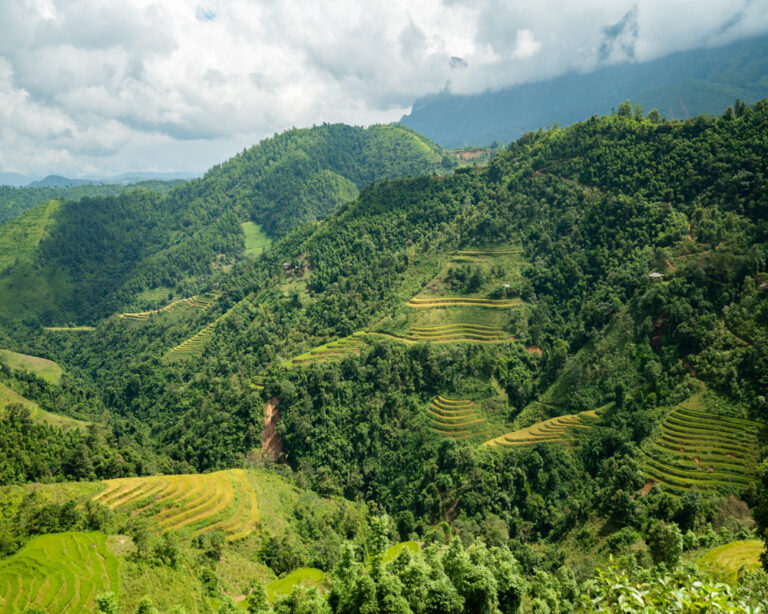
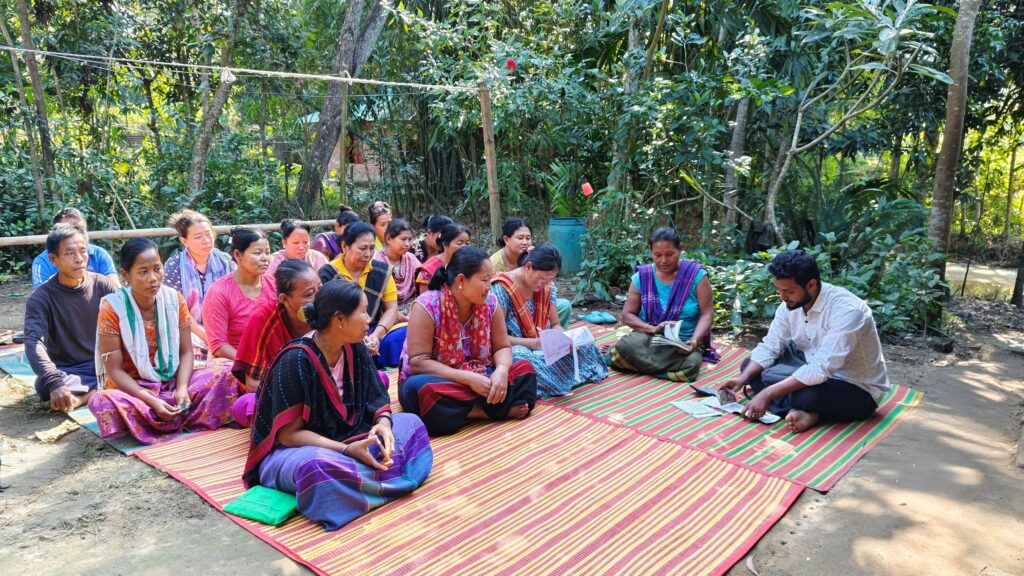
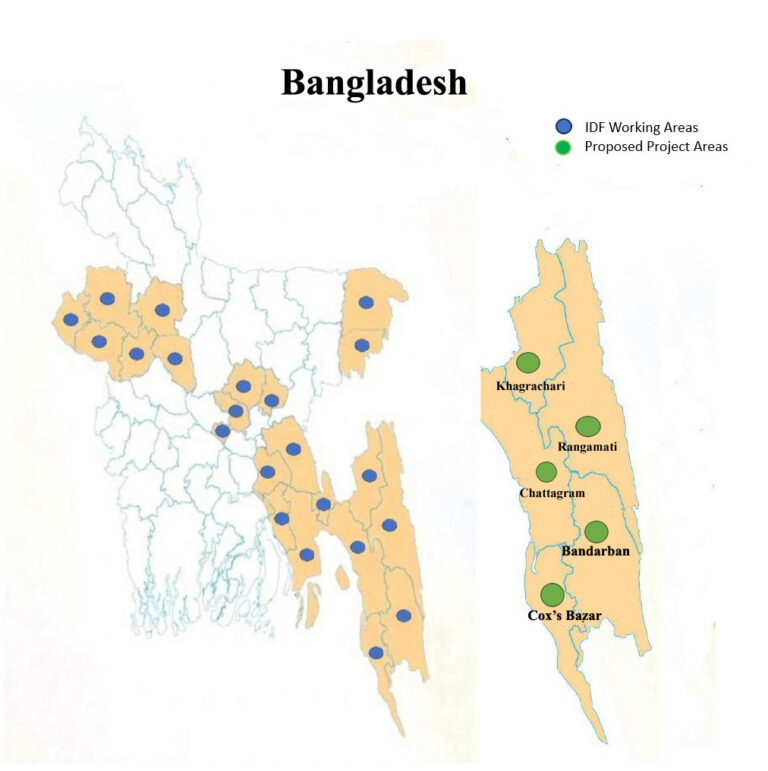
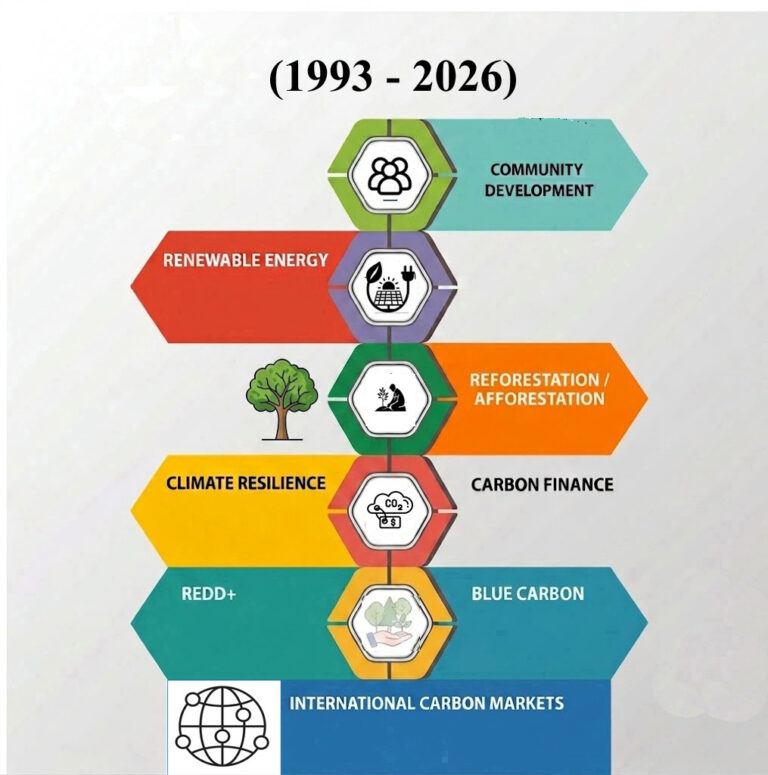
Since its establishment in 1992 and beginning its field operations in the Chittagong Hill Tracts (CHT) in 1993, IDF has maintained a strong and continuous presence in the hill regions of Bangladesh. For more than three decades, the organization has worked closely with indigenous communities, forest-dependent households, local government institutions, and government agencies to promote sustainable livelihoods, environmental conservation, renewable energy, and climate resilience.
The Chittagong Hill Tracts and the greater Chittagong Hill Regions have been the foundation of IDF’s development journey. Through long-term engagement, IDF has earned the confidence of local communities and developed a deep understanding of the ecological, cultural, and socio-economic characteristics of these environmentally sensitive landscapes.
This long-standing presence provides IDF with a unique comparative advantage for implementing large-scale forest restoration, REDD+(Reducing Emissions from Deforestation and forest Degradation) , Blue Carbon, and other nature-based climate initiatives.
From Community Development to Climate Leadership
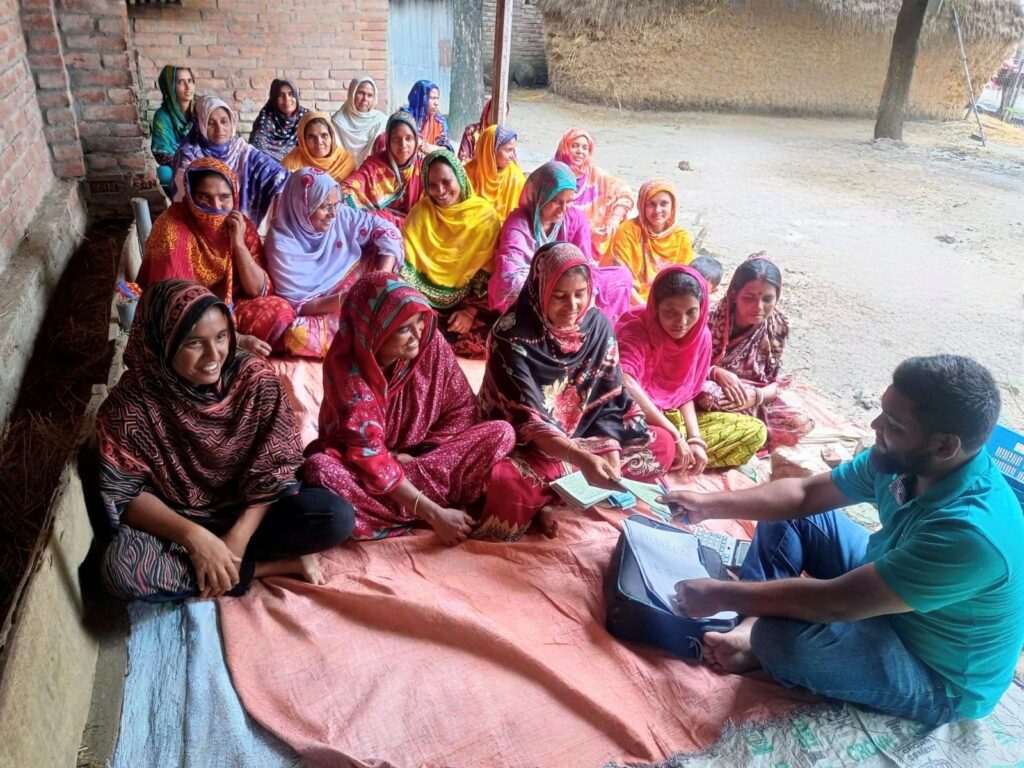
Over the past three decades, IDF has evolved from a community development organization into an integrated climate and sustainable development institution implementing programs in:
- Renewable Energy
- Climate Change Adaptation
- Climate Change Mitigation
- Afforestation and Ecosystem Restoration
- Agriculture and Food Security
- Water, Sanitation and Hygiene (WASH)
- Nutrition and Health
- Sustainable Livelihoods
- Microfinance and Green Enterprises
- Disaster Risk Reduction
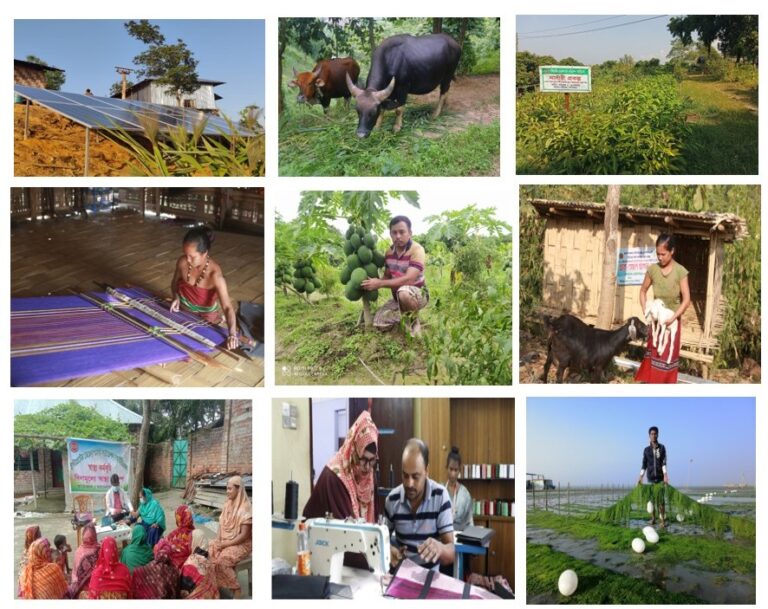
These interventions have directly contributed to reducing greenhouse gas emissions, restoring ecosystems, enhancing climate resilience, and improving the livelihoods of thousands of vulnerable families across Bangladesh.
Building Bangladesh's Forest Carbon Future
Recognizing the growing importance of carbon markets and results-based climate finance, IDF has initiated a comprehensive Forest Carbon Program to support the Government of Bangladesh in developing credible, internationally recognized forest carbon projects.
The program adopts a phased and scalable approach. Its initial activities will focus on priority areas identified in consultation with the Government and the Bangladesh Forest Department. Based on the results, lessons learned, availability of suitable land, and interest from climate-finance partners, the initiatives may be expanded progressively to additional landscapes.
1. REDD+ Hill Forest Restoration Program
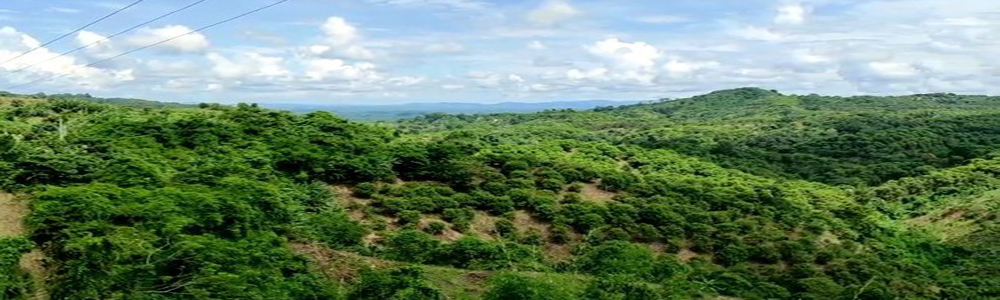
The initial phase of the REDD+ Hill Forest Restoration Program is expected to cover approximately 5,000 hectares of degraded hill forests within selected areas of the Chittagong Hill Tracts, Chattogram Forest Region, and Cox’s Bazar Forest Region, subject to final government allocation and approval.
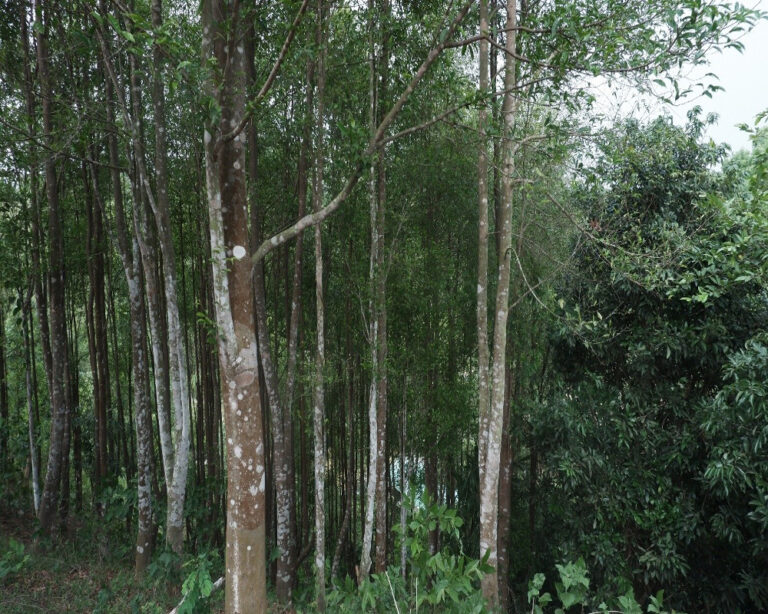
The program will promote native species plantation, assisted natural regeneration, sustainable forest management, biodiversity conservation, and meaningful participation of forest-dependent communities.
The initiative seeks to increase forest carbon stocks, improve watershed functions, stabilize vulnerable hill slopes, strengthen community resilience, and create sustainable livelihood opportunities while generating high-integrity carbon credits. The initial phase is intended to establish an effective and replicable model that can be expanded to other eligible hill forest areas in subsequent phases.
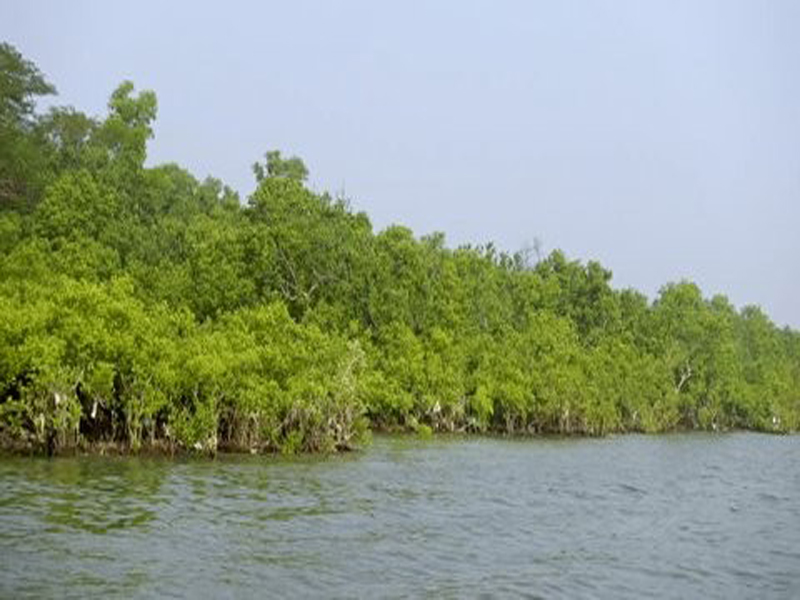
2. Blue Carbon Program
The initial phase of the Blue Carbon Program is expected to cover approximately 2,000 hectares of suitable newly accreted coastal char lands, subject to government identification, allocation, and approval.
Through mangrove afforestation and ecological restoration, the program will sequester carbon, conserve coastal biodiversity, strengthen protection against cyclones and storm surges, and create livelihood opportunities for vulnerable coastal communities.
This first phase will provide the foundation for a larger and progressively scalable blue carbon initiative. Subject to successful implementation, the availability of suitable coastal land, government priorities, and climate-finance partnerships, the program may be extended to additional areas in subsequent phases.
Together, the initial phases of the REDD+ and Blue Carbon programs are expected to cover approximately 7,000 hectares. They represent practical and investment-ready entry points into Bangladesh’s broader forest and blue carbon potential, offering development partners and investors opportunities to support high-integrity projects that can be expanded over time.
IDF: Comparative Advantage
IDF offers a unique combination of community trust, technical experience, institutional capacity, and climate leadership.
Key strengths include:
- More than 32 years of development experience
- Operations across 22 districts
- Services reaching over 150,000 families
- Installation of more than 127,000 Solar Home Systems
- More than 9,400 Solar Street Lights
- Nearly 3,000 Solar Mini-grid Systems
- Community nurseries producing approximately 100,000 seedlings annually
- Extensive experience in afforestation, watershed management, climate-smart agriculture, renewable energy, and community-based natural resource management
- Strong partnerships with Government agencies, development partners, financial institutions, and local communities
These strengths position IDF as a capable implementing partner for large-scale, high-integrity forest carbon projects aligned with Bangladesh’s national climate priorities
Partnership for Climate Finance
IDF believes that achieving Bangladesh’s climate ambitions requires strong collaboration among government institutions, local communities, international investors, carbon market partners, research institutions, and development organizations.
The organization welcomes partnerships in:
- Forest Carbon Development
- REDD+ Programme Implementation
- Blue Carbon Initiatives
- Carbon Credit Investment
- Baseline and MRV Development
- GIS and Remote Sensing
- Biodiversity Conservation
- Community-Based Forest Management
- Climate Finance
- Green Investment
Together, these partnerships can help position Bangladesh as a regional leader in high-integrity, nature-based climate solutions.
Looking Ahead
IDF envisions a future where Bangladesh’s forests contribute not only to biodiversity conservation and climate resilience but also to sustainable economic development through access to international carbon markets.
Working in close collaboration with the Ministry of Environment, Forest and Climate Change, the Bangladesh Forest Department, local communities, and international partners, IDF is committed to developing transparent, science-based, and socially inclusive forest carbon programs that create lasting environmental and socio-economic benefits. Through innovation, integrity, and partnership, IDF aims to help Bangladesh transform its natural capital into a global model of climate action and sustainable development.
Integrated Development Foundation (IDF) is a non-profit organization dedicated to combating poverty in the remote, hilly, and underserved regions of Bangladesh.
Useful Links
What We Do
Copyright © 2026 Integrated Development Foundation (IDF). All Rights Reserved